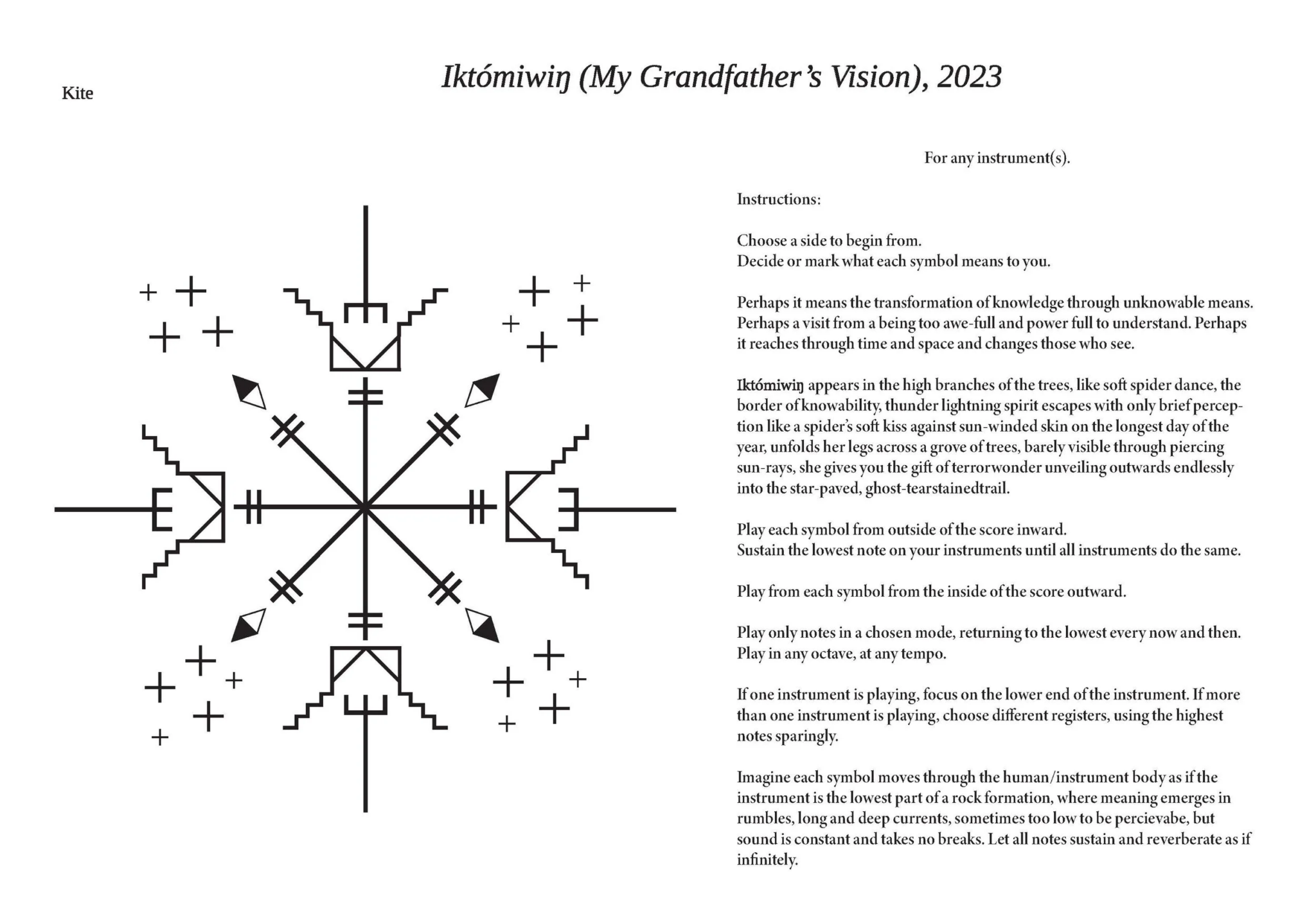
In a talk you gave at Future Days 2025, you shared a beautiful quote from Dr. Kite’s grandfather, Standing Cloud (Bill Stover), who speaks about the interiors of rocks through a Lakota lens/ontology*. I thought it was apt in illustrating a point about Indigeneity reframing how we think of technology:
“Stones are considered ancestors, stones actively speak, stones speak through and to humans, stones see and know. Most importantly, stones want to help. The agency of stones connects directly to the question of AI, as AI is formed not only from code but from materials of the earth. To remove the concept of AI from its materiality is to sever this connection; forming a relationship to AI, we form a relationship to the mines and the stones.”
KX: Indigenous ways of thinking around AI have been important to my practice. If you think about the mineral computation of AI in our technological devices, the silicon and Quartz microchips, copper wire, lithium batteries, Tungsten for vibrating features, everything is made of a certain form of materiality. AI isn’t a holographic or disembodied entity; it has a material reality and is connected to complex processes of extraction happening across the Global South, from the Congo, Bolivia, Chile, and Peru to Indonesia, across lands that were stolen from peoples who stewarded them.
How do you see your work with Indigenous futurisms existing within the proliferation of pushback around the use of AI in art?
KX: My people were stripped of everything. I see using data to recover a certain form of rhythm as reparations. But I recognize that there is something real happening with ecological erosion and, through large data center colonialism, Big Tech needs to take accountability for this.
For my practice, I run my models locally and use a hybrid process. I work with a company that is limiting its data-ecological footprint. AI helped me recover some form of symbolic memory, which to me is incredibly valuable. And that’s a collaborative worlding tool alongside Indigenous artists across Abya Yala and the entire world. As a Xenofeminist, I embrace technology. There are also ideas about Indigenous artists being viewed in a very specific way, particularly in relation to craft, being looped into specific traditional handcrafts. Still, many Indigenous artists are unearthing Indigenous futurity through various emerging technologies, like the metaverse and AI, because these systems are suitable containers for questions about ecology, presence, connection, beyond-human intelligences, and power.
My work explores the re-Indigenization of intelligence through multimedia works, drawing on Guaraní cosmology and shaped by my experiences of migration and displacement. I approach technology not as a neutral tool but as a contested terrain where epistemologies [different kinds of knowledge systems] collide, and futures are negotiated. I am interested in how technoscience might be reoriented toward ancestral intuition, biosphere regeneration, and plural understandings of intelligence beyond Western hierarchies.
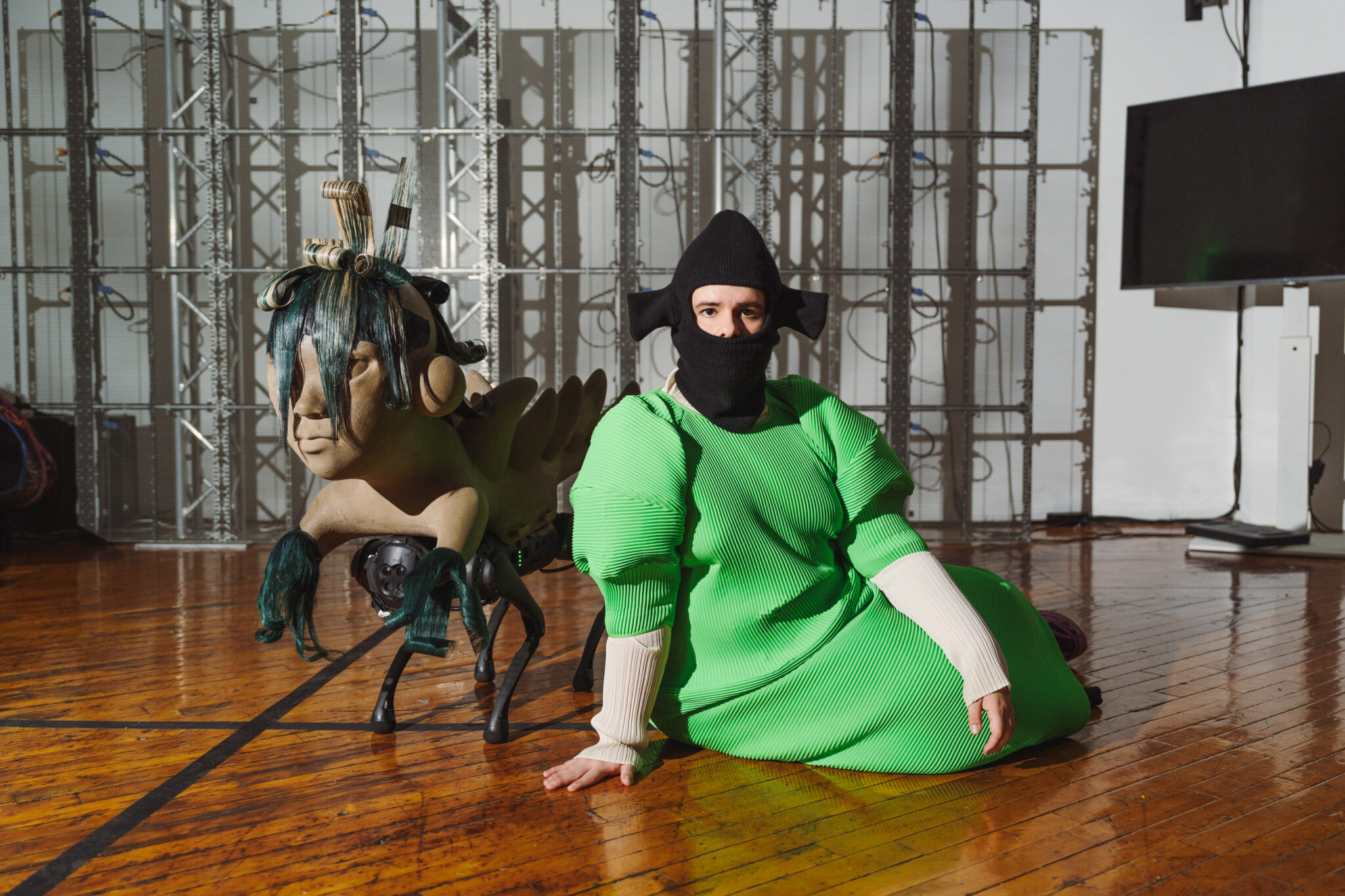
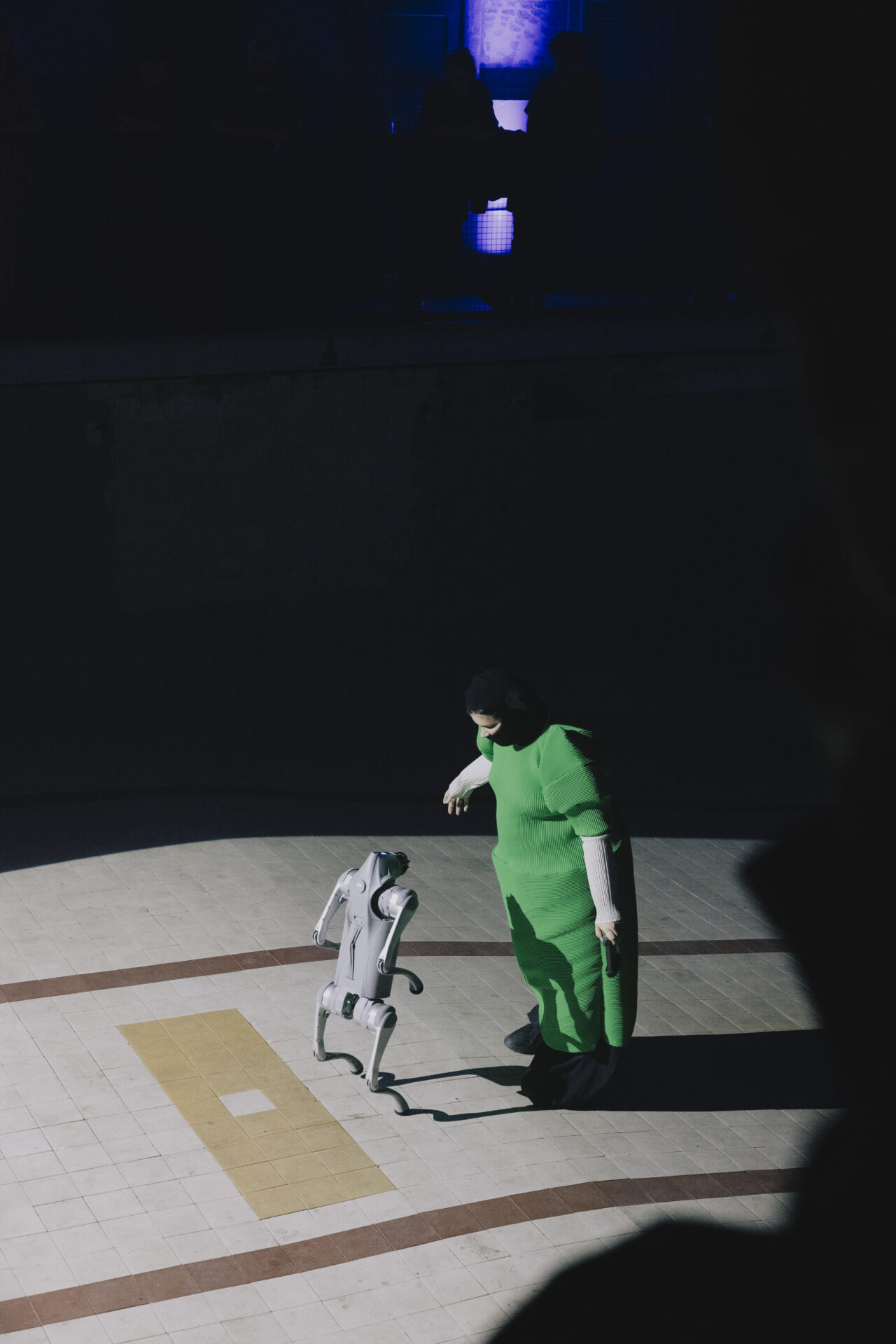
In the creation of speculative environments where nonhuman, ancestral, and machinic agents co-exist in film, robotic performances, and installations, I interrogate the colonial legacies embedded in data, language, and systems of representation. By engaging AI as both a medium and a subject, I seek to examine its capacity to reproduce dominant ideologies while also opening space for pluriversal imaginaries grounded in cosmological abundance. I like to explore this contradiction and see how something can emerge from that space.
My practice draws from Indigenous and technofeminist epistemologies, cosmotechnics, and a view that calls for technodiversity, pushing for a pluralistic, anti-universalist view of technology that addresses humanity’s ecological and social problems. This framework calls for technology to be in dialogue with decolonial practices. I also call back to the process of re-memory, in which a “past that retains physicality also maintains a material influence in the present.” I work to rethink relations among land, body, and computation. Rather than treating intelligence as disembodied, abstract calculations, I am interested in its palpably lived, ceremonial, ecological, and relational dimensions, as expressed through its connection to human languages.
Ultimately, my goal is to expand the ways intelligence is understood and practiced that are more just, regenerative, and plural. In developing methodologies that bring machine learning into relation with embodied knowledge systems. Through this, I explore how AI might encode reciprocity, relationality, and care rather than extraction and optimization. I hope to contribute to emerging artistic and critical frameworks that challenge monocultural planetary futures and make room for many coexisting forms of life, knowledge, and technological becoming.
Tell us the story behind Deep Time Dance.
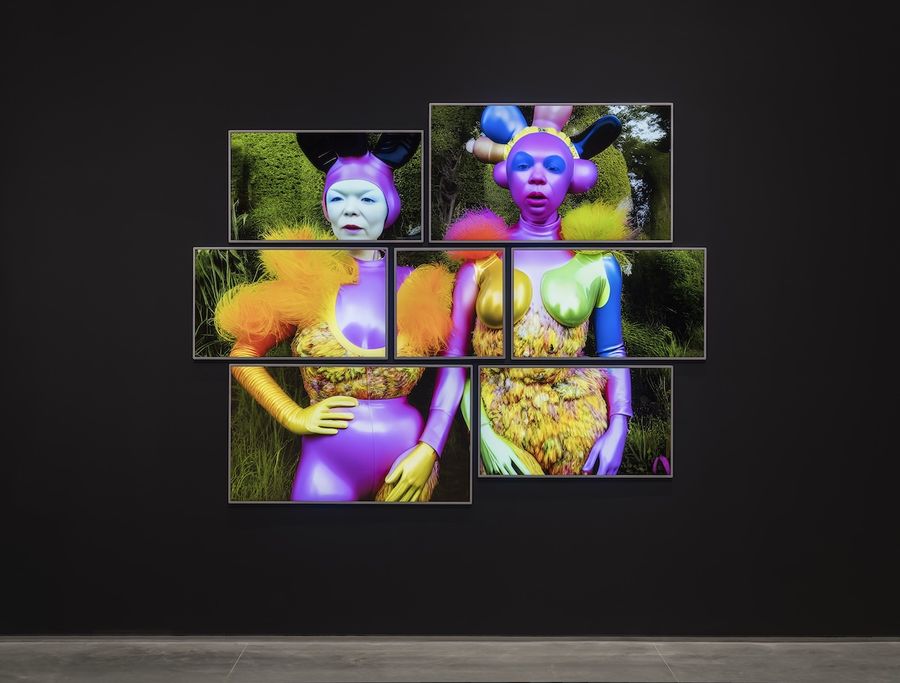
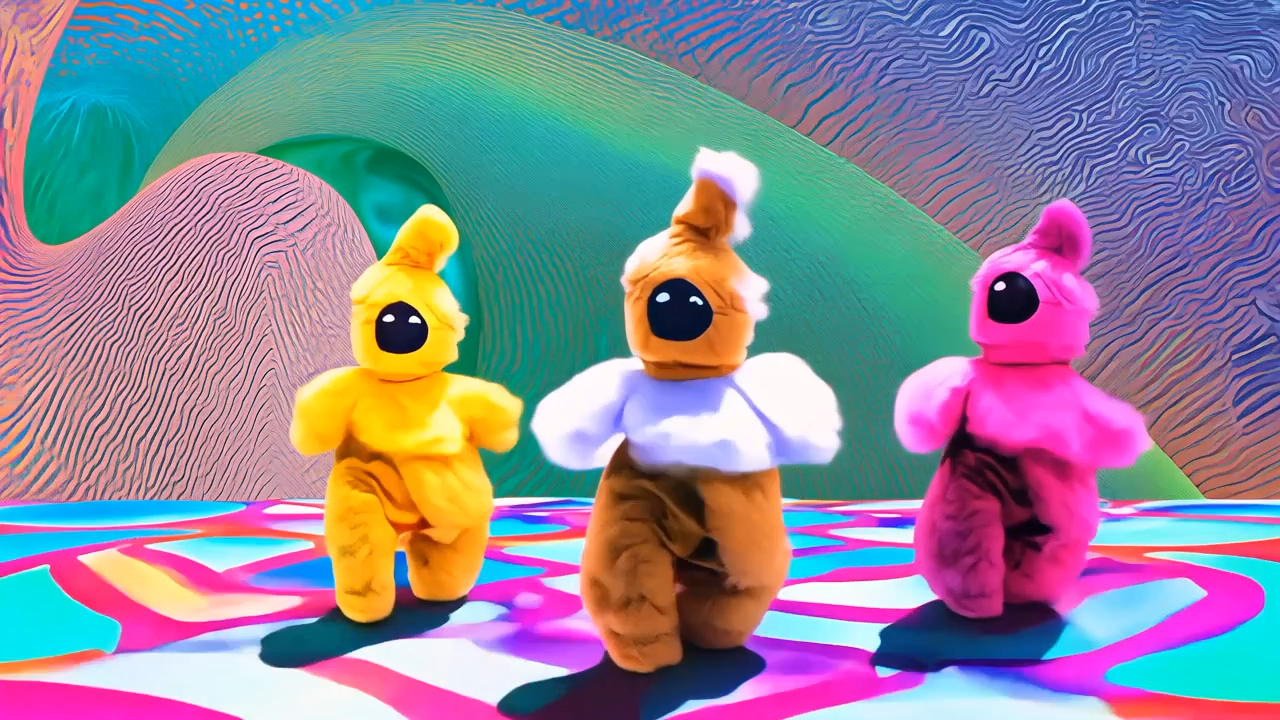
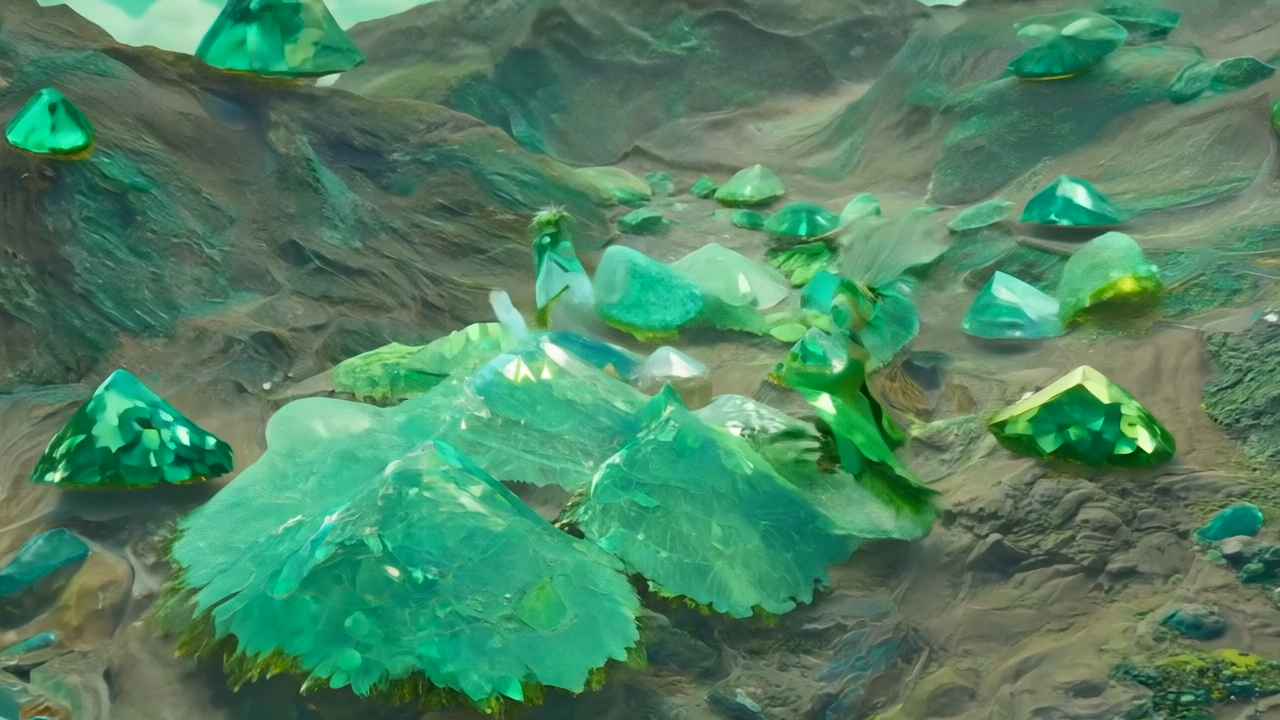
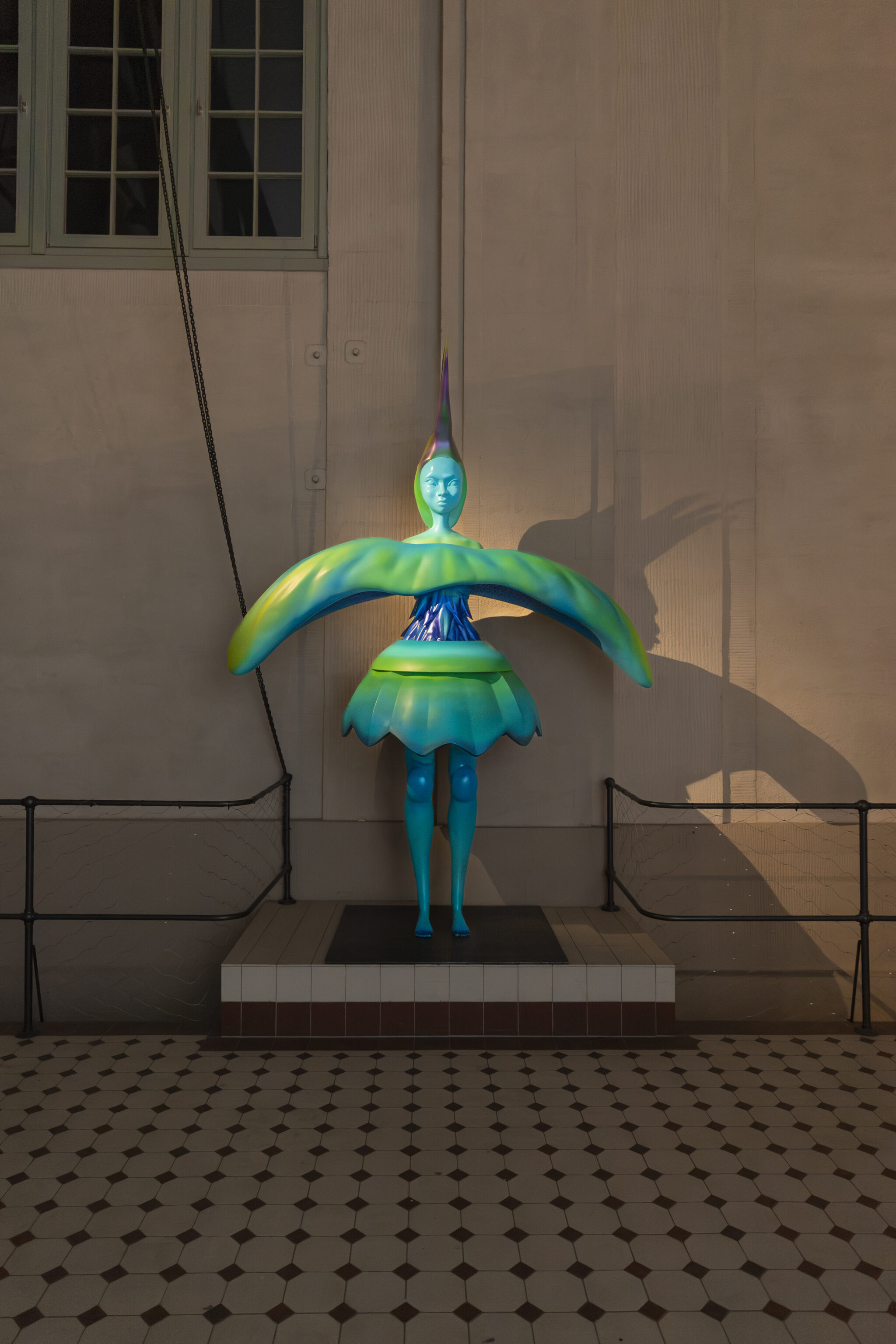
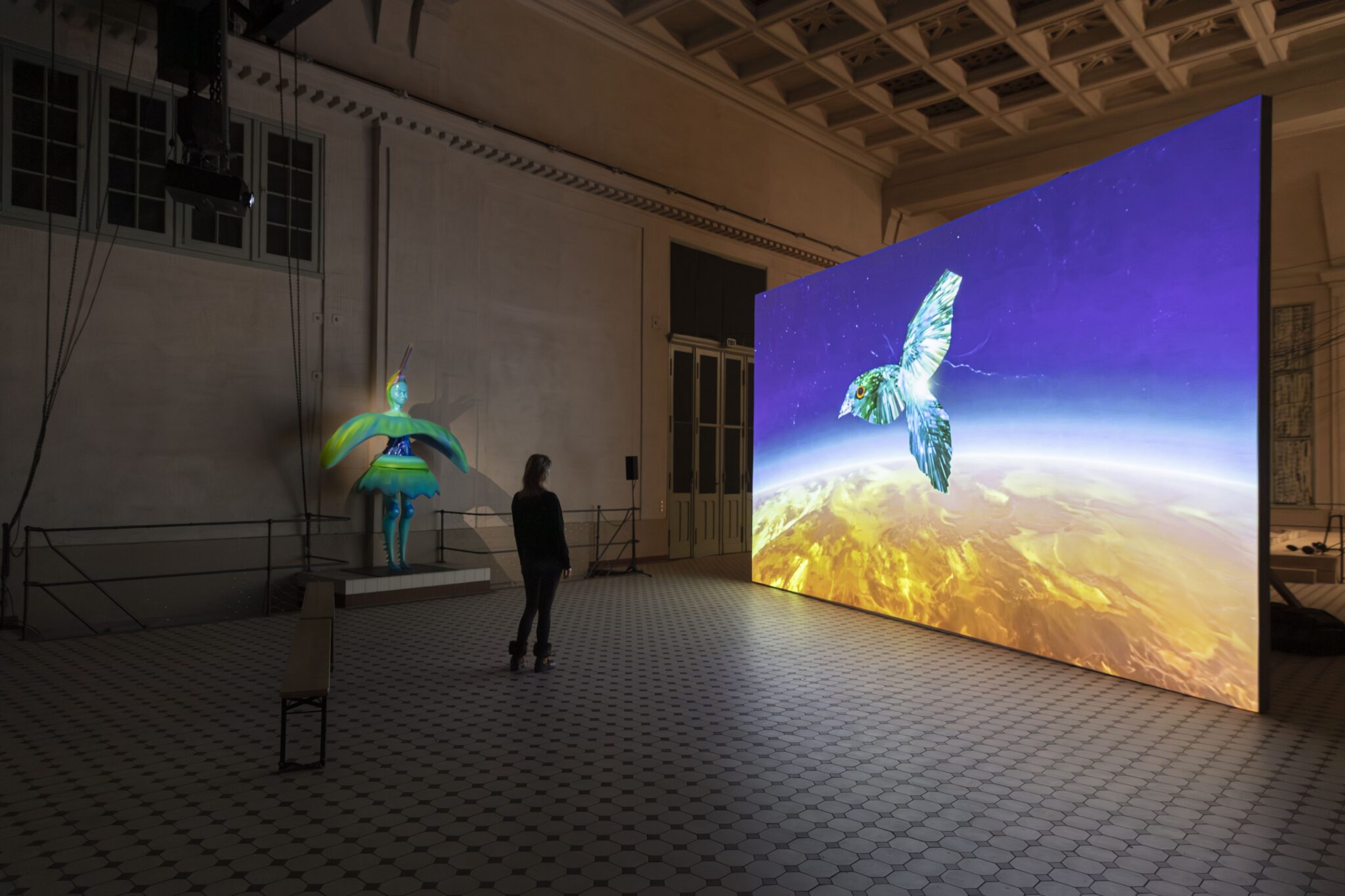
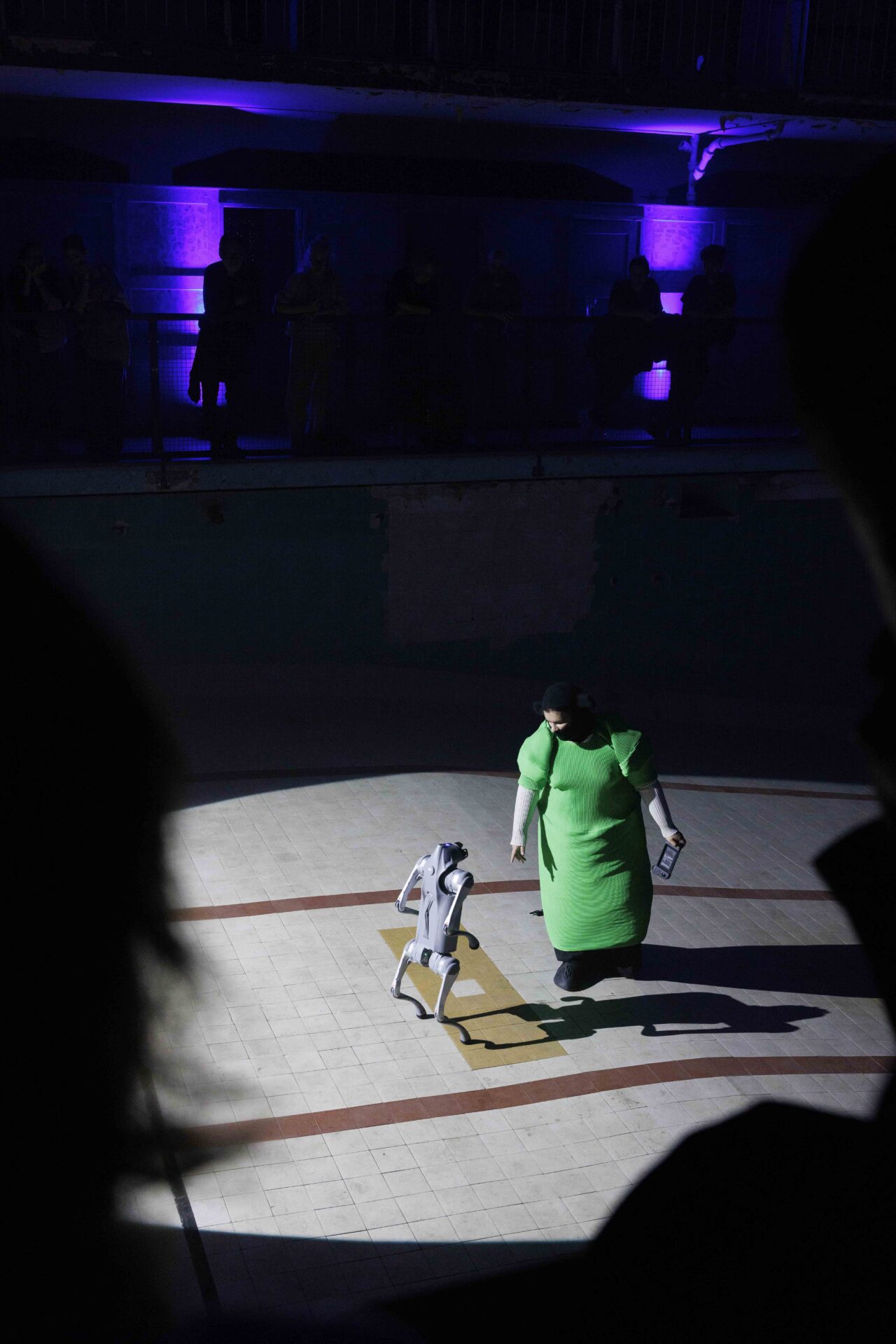
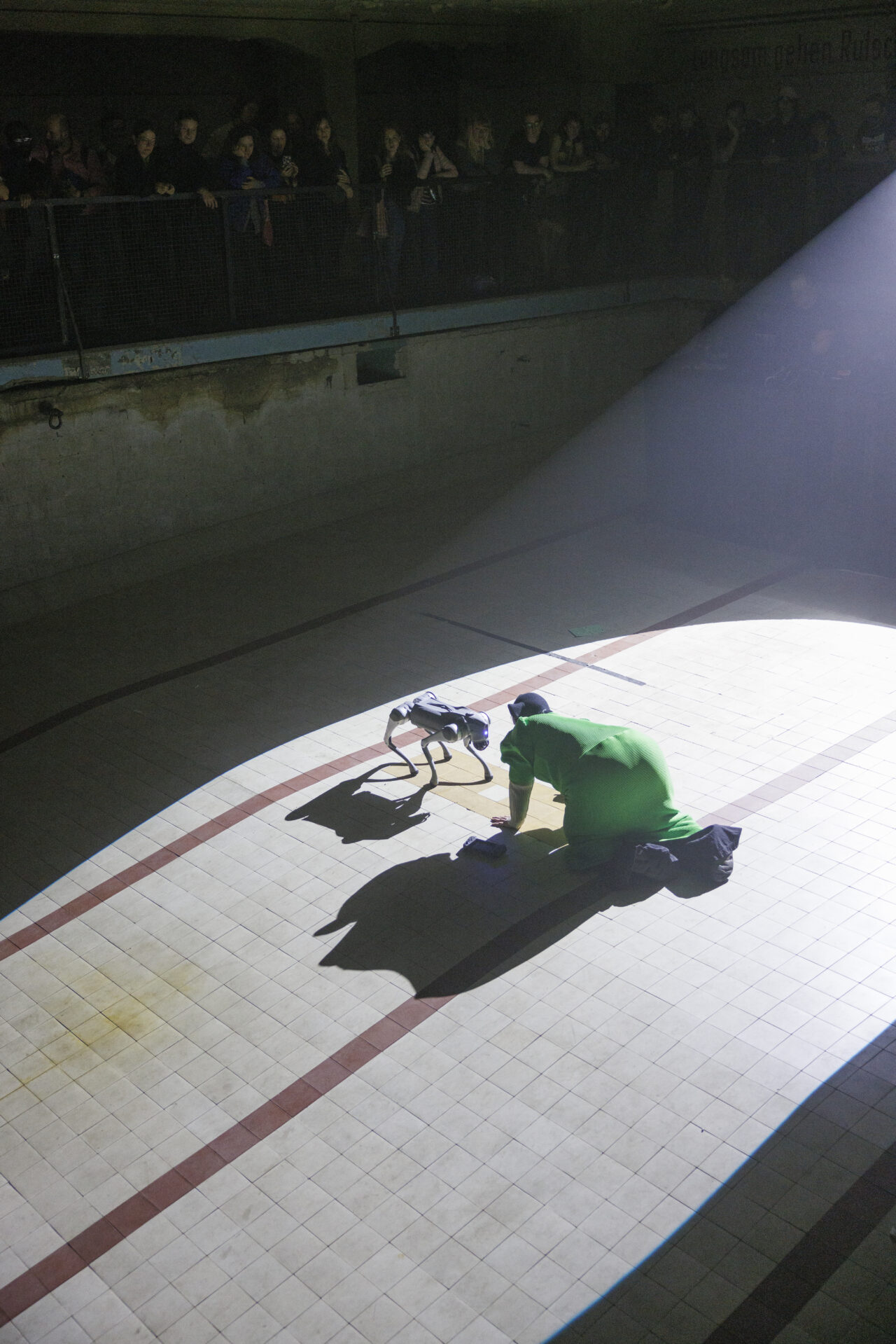
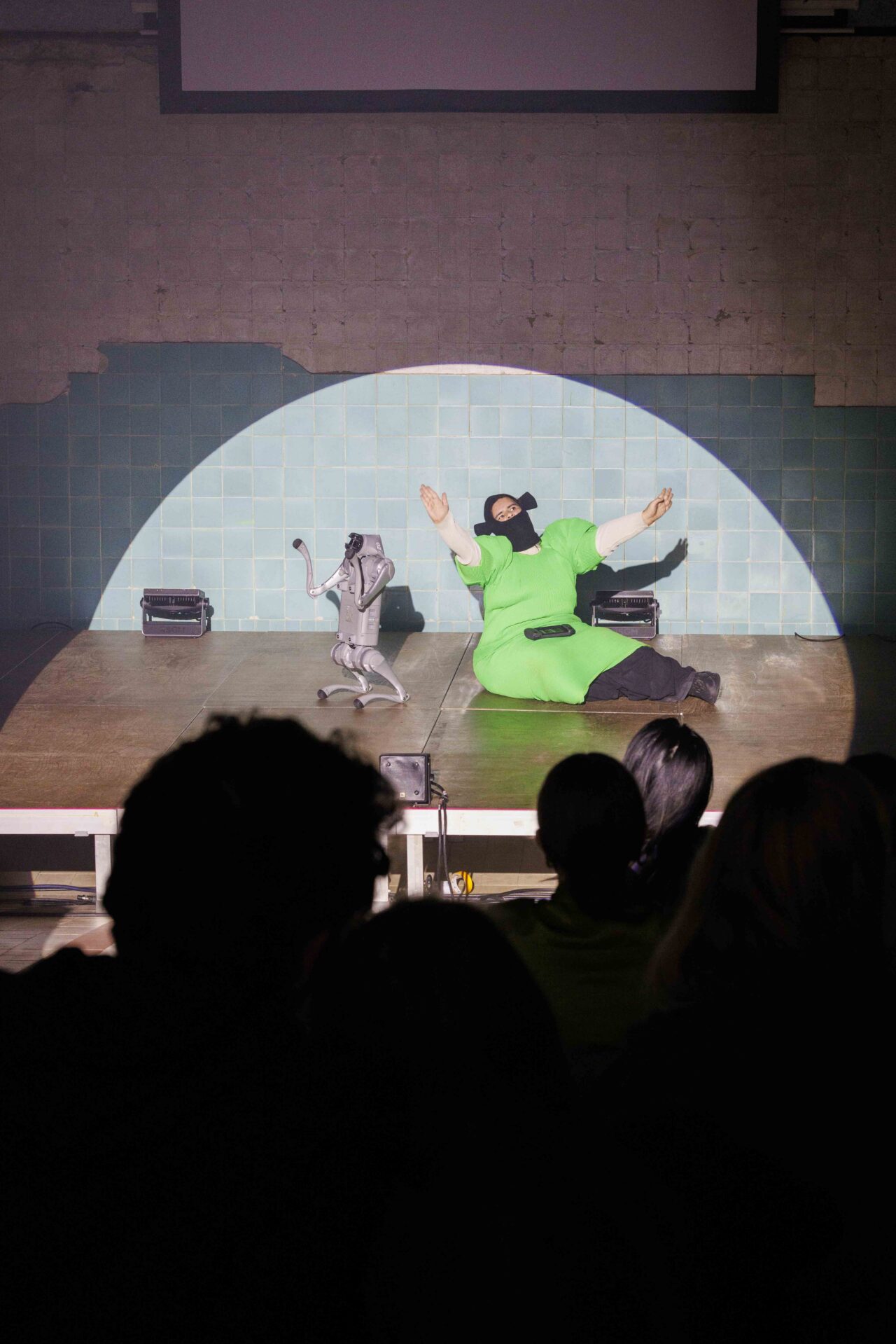
KX: Deep Time Dance (2024) is a speculative origin story for an interspecies and two-spirit future that asks what the ideal conditions are for life to emerge, for life to exist. This work is based on the Guaraní story of Tupã Tenondé, the creator of all life, and the Mainumby, the hummingbird who nourished and inspired the deity while the world was being made. It is an ode to native survivance and the deep-time geologic formation of Abya Yala. I created an evolving world-in-the-making that centers joy, pleasure, and dance.